Two bags from the same estate can taste nothing alike. The reason is rarely the plant alone; it is how the cherry was handled after picking. This guide explains the types of coffee beans and the new wave of processing, from washed to anaerobic, so you can read any label with confidence.
Jump to: Bean types · Processing 101 · Anaerobic ferments · Taste chart · Indian lots · FAQs
What are the types of coffee beans?
Two species fill almost every cup on earth: Arabica (Coffea arabica) and Robusta (Coffea canephora). Arabica grows higher, ripens slowly and tastes sweeter and brighter. Robusta grows lower, carries about twice the caffeine and brings body, cocoa and crema.
| Arabica | Robusta | |
|---|---|---|
| Altitude in India | 1,000–1,500 m | 500–1,000 m |
| Caffeine (by weight) | about 1.2–1.5% | about 2.2–2.7% |
| Taste | Fruit, florals, bright acidity | Cocoa, malt, heavy body |
| Best for | Pour-over, AeroPress | Espresso, filter blends |
| Try | Chikmagalur Arabica | Wayanad Robusta |
India grows both under a canopy of shade trees, beside pepper vines and cardamom. That shade is why many of the best coffee beans in India taste gently spiced and low in bitterness.
Processing 101: types of coffee beans from cherry to green bean
Every coffee bean is the seed of a red fruit. Before roasting, farmers must strip that fruit away and dry the seed. How they do it shapes flavour as much as soil or altitude.
- Washed: fruit pulped off, seeds soaked briefly in water tanks, then dried. Clean, crisp, tea-like.
- Natural: whole cherries dry in the sun for three to four weeks. Jammy, winey, sweet.
- Honey: some sticky fruit stays on during drying. Rounded sweetness, softer acidity.
- Monsooned: a uniquely Indian method. Beans rest in open warehouses on the Malabar coast through the monsoon winds, turning pale, mellow and earthy.
Anaerobic and wild ferments: what changes
Anaerobic processing seals cherries in steel tanks with no oxygen for 48 to 120 hours. Pressure builds, microbes behave differently, and the seeds absorb intense, fruit-forward flavours. Producers track pH, temperature and time the way winemakers do.
Wild and co-ferments go further. Some farms add selected yeast strains, cinnamon or tropical fruit to the tank. The cup can taste of rum, passion fruit or mulled wine.
Pointer: Look for “anaerobic”, “carbonic maceration” or “co-ferment” on the bag. Those words promise a lot that tastes nothing like your everyday coffee.
Taste chart: how each process changes the cup
| Process | Fermentation or drying time | Sweetness | Acidity | Typical notes |
|---|---|---|---|---|
| Washed | 12–36 hours in water | Medium | High | Citrus, jasmine, black tea |
| Honey | 2–3 weeks drying | High | Medium | Brown sugar, apricot |
| Natural | 3–4 weeks drying | High | Medium | Berries, grape, cocoa |
| Anaerobic | 48–120 hours sealed | Very high | Medium-high | Wine, tropical fruit, spice |
| Monsooned | 12–16 weeks of monsoon air | Low | Very low | Earth, wood, spice |
Which Indian lots to try first
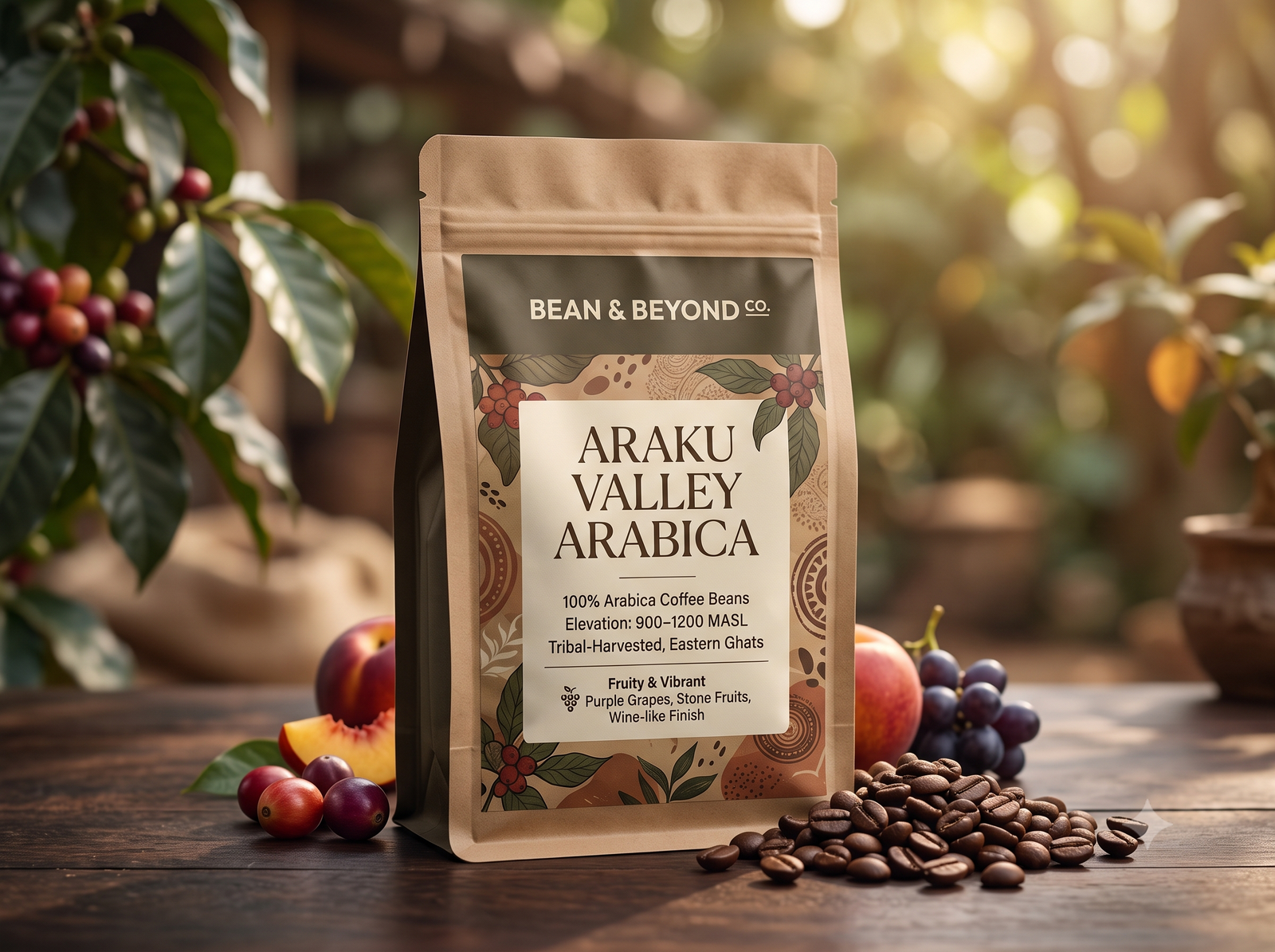
- Araku Valley Arabica: purple grapes, stone fruit and a wine-like finish. Superb as iced coffee.
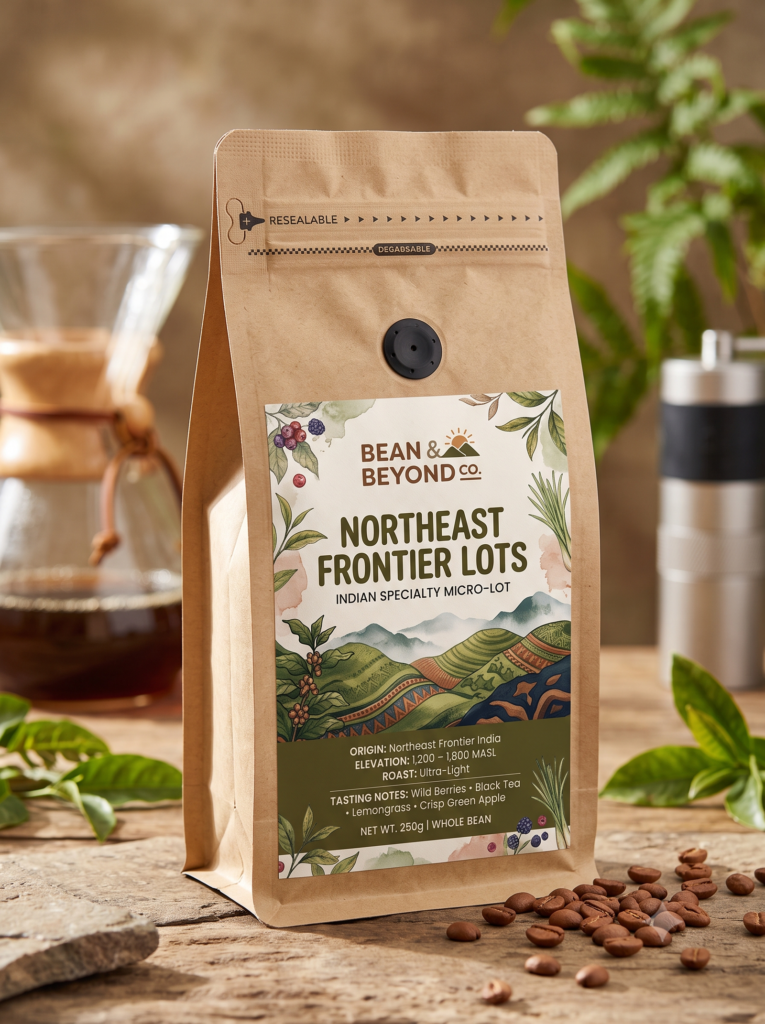
- Northeast Frontier Lots: wild berries, black tea and lemongrass from rare high-altitude farms.
- Baba Budangiri Arabica: plum, cocoa and cardamom from the hills where Indian cultivation began in the 1600s.
Your home tasting checklist
- ☐ Brew two processes side by side at the same 1:16 ratio
- ☐ Taste each once hot and once at room temperature
- ☐ Score sweetness, acidity and body out of 5
- ☐ Order a 250 g bag of your favourite coffee
FAQs
Are fermented beans safe to drink? Yes. Every process involves some fermentation; anaerobic simply controls it more tightly, and roasting at over 200°C finishes the job.
Does anaerobic processing add caffeine? No. Caffeine depends on species and variety, not on the process.
What are the main types of coffee beans grown in India? Arabica and Robusta. Karnataka, Kerala and Tamil Nadu grow most of the crop, with smaller specialty lots from Andhra Pradesh, Odisha and the Northeast.
How should I brew experimental lots? Use pour-over or AeroPress with water at 90–94°C. Gentle methods let the fruit show.
Taste the types of coffee beans for yourself
Ready to explore beyond the usual? Start with our Bright & Fruity collection or browse every single-origin coffee bean we roast fresh. Your next favourite cup is one bag away.
Leave a Reply