Category: Coffee Guides

  • Beyond Instant: How to Make Filter Coffee and Upgrade Your Home Setup on a Budget

    Beyond Instant: How to Make Filter Coffee and Upgrade Your Home Setup on a Budget

    You do not need a ₹50,000 machine for a café-quality cup. A few simple tools, fresh beans and the right technique matter far more. This guide shows you how to make filter coffee the South Indian way, then maps a budget upgrade path from your first brewer to a proper home bar.

    Jump to: Why upgrade · Gear compared · Filter recipe · Moka pot · Upgrade path · FAQs

    Why learn how to make filter coffee instead of instant?

    Instant coffee is quick, but grinding and brewing fresh unlocks aroma, sweetness and body that drying removes. Fresh brewing also lets you choose the exact origin, roast and strength you enjoy. The jump in flavour is the biggest you will ever taste, and it costs less than a month of café visits.

    Beginner gear compared

    BrewerApprox. price in IndiaBrew timeTasteBest for
    South Indian filter₹400–1,50015–20 minStrong, rich decoctionMilky morning kaapi
    French press₹800–2,5004 minFull body, heavyLazy weekends
    Moka pot₹1,200–3,5005 minBold, espresso-likeLattes and strong shots
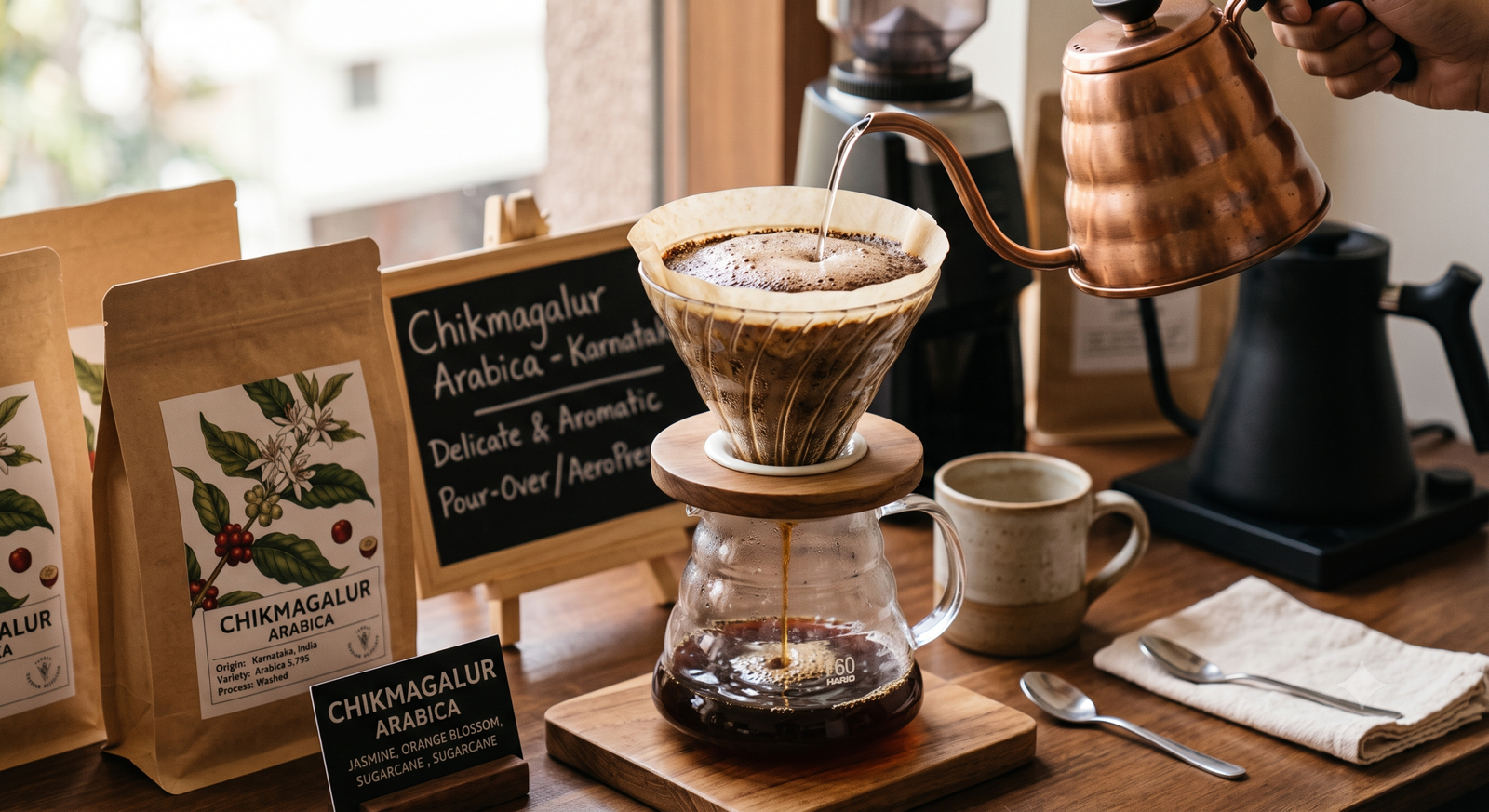
    Pour-over dripper₹500–2,0003 minClean, brightBlack brews

    Prices are typical market ranges and vary by brand.

    Pointer: If you buy only one upgrade, make it a burr grinder. Fresh, evenly ground coffee improves every brewer on this list.

    How to make filter coffee, step by step

    1. Add 3 heaped tablespoons (about 20 g) of medium-fine ground coffee to the top chamber.
    2. Press lightly with the plunger disc. Do not pack it tight.
    3. Pour 100 ml of just-boiled water, close the lid and wait 15 minutes.
    4. Heat 150 ml of milk until it froths.
    5. Mix 30–40 ml of decoction with the milk and sugar to taste.
    6. Pour between a davarah and tumbler from a height for that classic foam.

    Use a dark, bold roast such as Coorg / Kodagu Arabica & Robusta, and serve it in a Brass Davarah & Tumbler Set.

    The moka pot: espresso-style at home

    A moka pot pushes steam-pressured water up through the grounds in about five minutes. It will not make true espresso, but the result is strong enough for lattes, cold brews and tonics.

    Best coffee beans for espresso and moka

    Choose low-acid, chocolatey beans that stay smooth under pressure. Wayanad Robusta gives thick crema, while Baba Budangiri Arabica adds plum and cardamom balance.

    Matte black stovetop moka pot, the next step after you learn how to make filter coffee

    Your budget upgrade path

    LevelBudgetWhat to buyWhat changes
    StarterUnder ₹1,500Filter brewer + fresh ground beansReal aroma and body
    Explorer₹3,000–5,000Add a French press or moka potTwo styles, more control
    Enthusiast₹8,000–12,000Add a burr grinder and gooseneck kettleCafé-level consistency
    Black manual burr grinder with walnut handle beside freshly ground beans

    How to make filter coffee in week one: a checklist

    • ☐ Pick one brewer from the table above
    • ☐ Buy a 250 g bag roasted within the last month
    • ☐ Brew at a 1:15 ratio and taste
    • ☐ Adjust grind finer for strength, coarser for smoothness

    FAQs

    What is the easiest way to learn how to make filter coffee? Start with pre-ground medium-fine beans, a steel or brass filter and the six steps above. Most people nail it within three tries.

    Should I buy whole beans or ground? Whole beans stay fresh far longer. Buy ground only if you will finish the bag within two weeks.

    Do I need an espresso machine? No. A moka pot or AeroPress makes strong, concentrated shots for a fraction of the price.

    How should I store beans? In an airtight, opaque container at room temperature. Avoid the fridge, which adds moisture.

    Build your home setup today

    Start small and upgrade as your taste grows. Browse our Coffee Brewers and Grinders & Pour-Over Tools to build a setup that fits your mornings and your budget.
  • How to Make Cold Coffee Beyond the Latte: Cold Foams, Savoury Lattes and Espresso Tonics

    How to Make Cold Coffee Beyond the Latte: Cold Foams, Savoury Lattes and Espresso Tonics

    Café menus have moved far past the classic iced latte. Sea-salt foams, pistachio clouds and fizzy espresso tonics now fill feeds and glasses. This guide shows you how to make cold coffee at home in five modern styles, with simple tools, Indian twists and no barista training.

    Jump to: The base · Classic recipe · Cold foams · Espresso tonic · Savoury lattes · FAQs

    How to make cold coffee: start with the right base

    Every great iced coffee begins with a strong, smooth concentrate, such as cold brew. Ice dilutes everything, so brew about twice as strong as you would for a hot cup.

    BaseHow to make itTimeTaste
    Cold brewSteep 100 g coarse grounds in 1 litre cold water12–16 hoursSmooth, chocolatey, low acid
    Moka or espressoBrew a double shot, cool over ice5 minutesBold, punchy, crema-rich
    Instant2 teaspoons in 30 ml hot water1 minuteQuick, consistent
    Concentrate dropsA few drops in chilled milk or water30 secondsFlavoured, no dilution

    Pointer: Freeze leftover coffee in an ice tray. These cubes chill your drink without watering it down.

    How to make cold coffee the classic way

    1. Add 2 teaspoons of instant coffee powder and 2 teaspoons of sugar to a jar.
    2. Pour in 30 ml of hot water and whisk until frothy.
    3. Add 200 ml of cold milk and 4 ice cubes.
    4. Shake or blend for 20 seconds.
    5. Pour into a tall glass and dust with cocoa.

    For café-style body, add one scoop of vanilla ice cream before blending.

    Flavoured cold foams

    Cold foam is milk whipped cold until it turns thick and velvety, then spooned on top. It floats, so each sip mixes rich foam with bold coffee.

    FoamAdd to 60 ml cold milkPairs with
    Sea saltA pinch of flaky salt and 1 tsp honeyCold brew
    Pistachio1 tbsp pistachio pasteIced latte
    Cardamom2 crushed pods and 1 tsp jaggery syrupFilter-style iced kaapi
    Vanilla3 Cold Brew Concentrate DropsBlack iced brew

    Use a handheld frother for 30 seconds, or shake hard in a sealed jar.

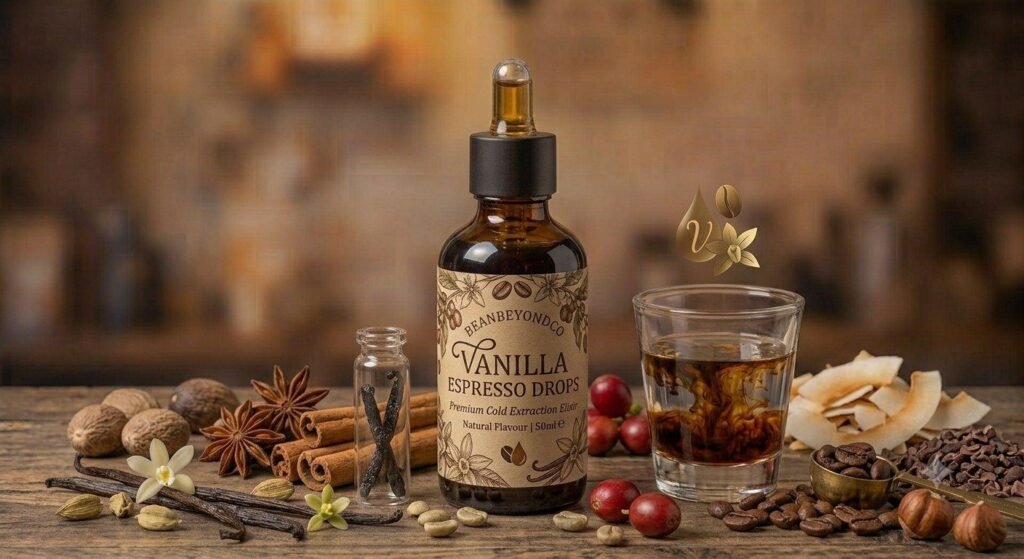
    How to make cold coffee with vanilla espresso concentrate drops, vanilla pods, cinnamon and star anise

    The espresso tonic

    This fizzy coffee drink is bright, bitter-sweet and very refreshing on a hot afternoon.

    1. Fill a glass with ice and 120 ml chilled tonic water.
    2. Add a slice of orange or a few mint leaves.
    3. Slowly pour a double shot of espresso over the top.
    4. Watch it layer, then stir and sip.

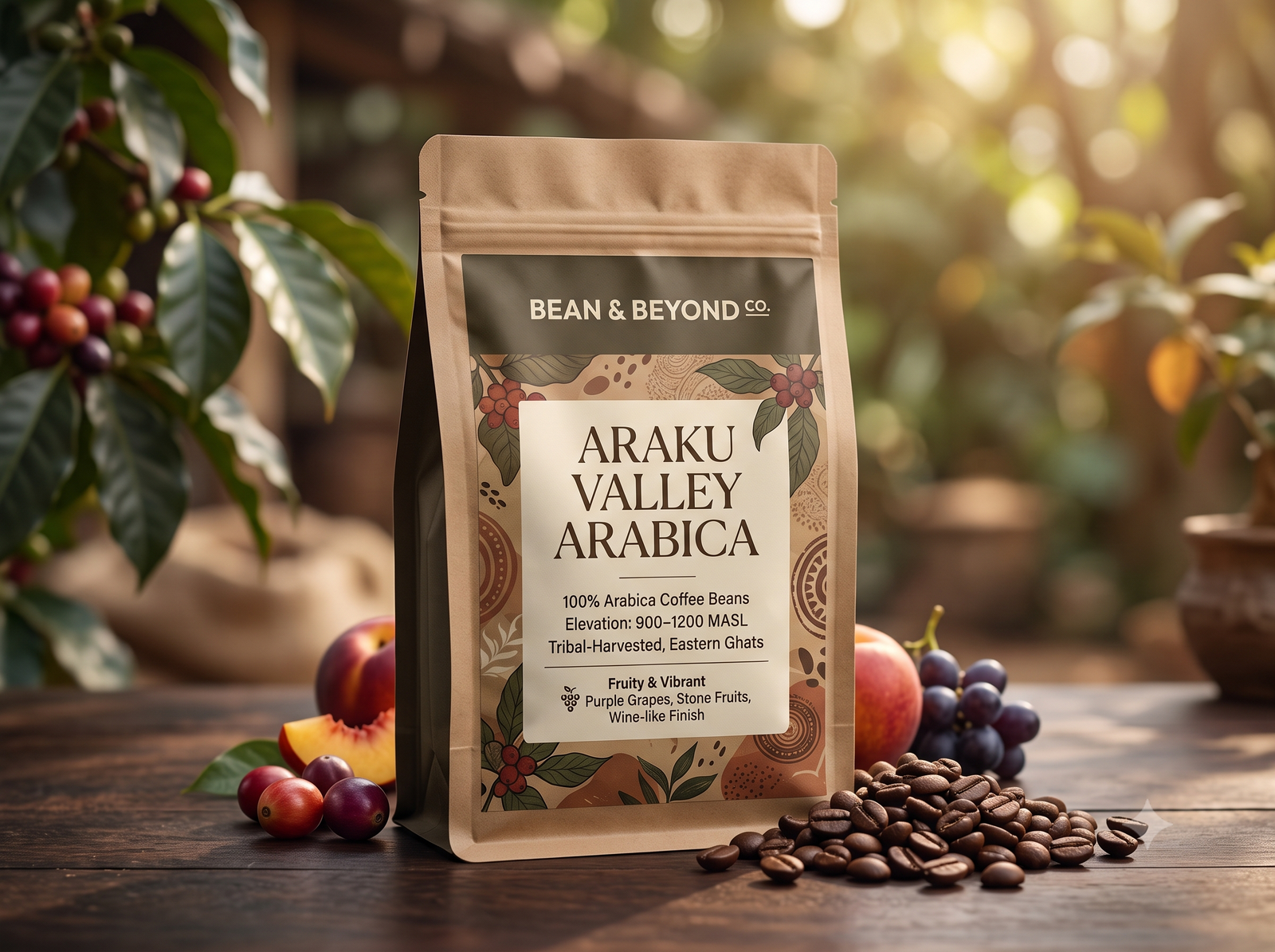
    Fruity beans work best here. Try Araku Valley Arabica for grape and stone-fruit notes.

    Savoury lattes

    The newest trend swaps sugar for salt, spice and umami. They sound odd and taste brilliant.

    • Salted caramel miso: a half-teaspoon of white miso whisked into caramel sauce.
    • Masala: black pepper, ginger and cinnamon steeped in the milk.
    • Kokum and salt: a dash of kokum syrup with a pinch of black salt, a Konkan-inspired twist.

    How to make cold coffee all weekend: a checklist

    • ☐ Start a cold-brew batch on Friday night
    • ☐ Freeze a tray of brew cubes
    • ☐ Test two foams side by side
    • ☐ Serve an espresso tonic to a friend and swap ratings

    FAQs

    What is the easiest way to learn how to make cold coffee? Start with instant powder, milk and ice in a sealed jar. Shake for 20 seconds and you are done.

    Is cold brew stronger than hot brew? Per cup, often yes, because it is brewed as a concentrate. Dilute it 1:1 with milk or water.

    How long does cold brew last? Up to 10 days in a sealed jar in the fridge.

    Can I make cold foam without a frother? Yes. Shake cold, low-fat milk hard in a small jar for 45 seconds.

    Chill out with Bean & Beyond Co.

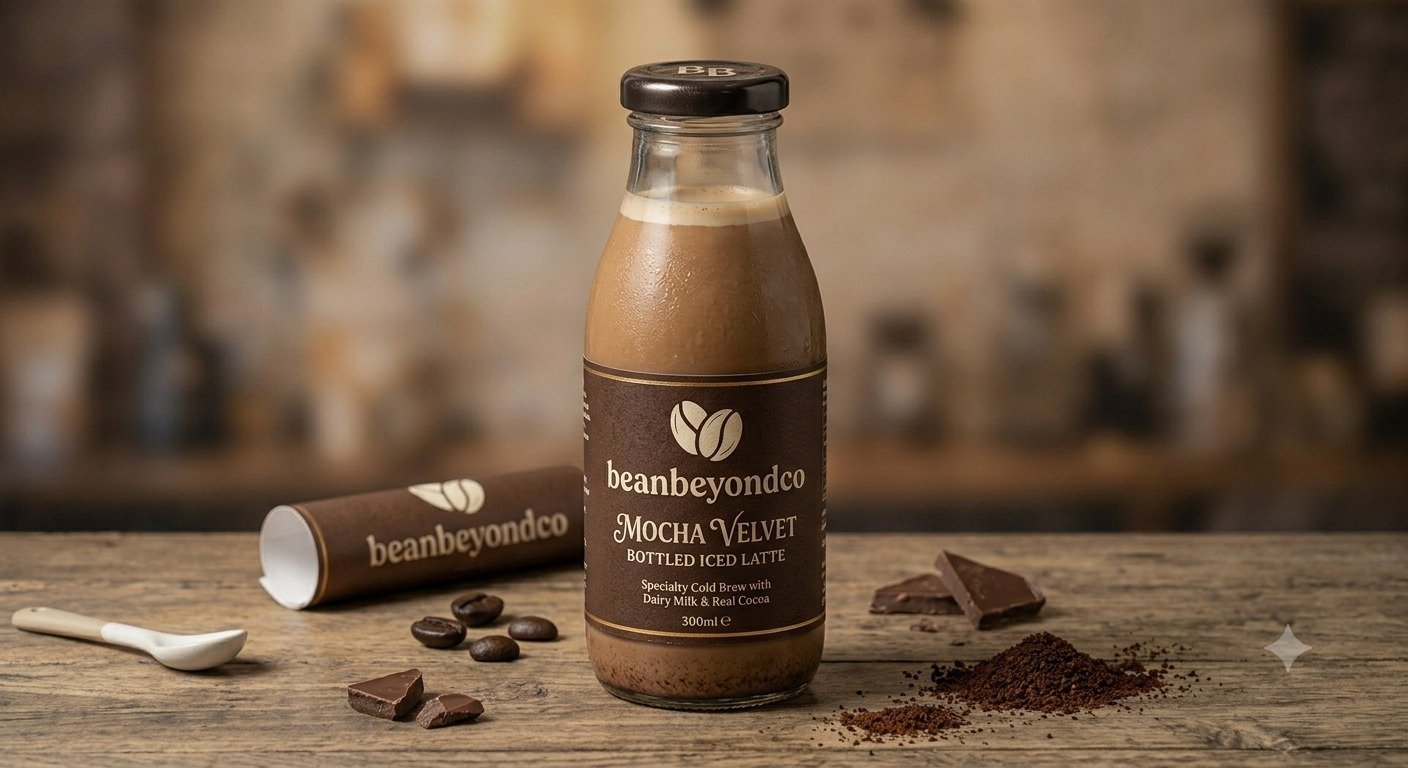
    No time to brew? Grab a Mocha Velvet Bottled Iced Latte, or explore our Ready-to-Drink & Coffee Treats range for café-style cold drinks in seconds.

  • Black Coffee Benefits: 5 Wellness Myths, Fact-Checked

    Black Coffee Benefits: 5 Wellness Myths, Fact-Checked

    Search for black coffee benefits and you will find miracle claims next to scary warnings. Lemon hacks promise fat loss, while forwards warn about your liver and stomach. We looked at what the research actually says, so you can enjoy your daily cup with clear facts instead of fear.

    Jump to: Myth vs fact table · The five myths · Real black coffee benefits · Caffeine guide · FAQs

    Please note: This article is for general information only. If you have a medical condition, are pregnant or take medication, ask your doctor about caffeine.

    Black coffee benefits: myth vs fact at a glance

    MythVerdictThe short answer
    Lemon in your cup melts fatFalseNo study shows lemon plus caffeine burns fat
    It damages the liverMostly falseStudies link moderate intake with lower liver disease risk
    It always causes acidityPartly trueSome people are sensitive; many are not
    It dehydrates youFalseModerate amounts count towards daily fluids
    It stunts growthFalseNo evidence links it to height

    Five black coffee benefits myths explained

    1. “Lemon and caffeine melt belly fat”

    This viral hack has no clinical backing. Caffeine can raise metabolism slightly for a few hours, and lemon adds vitamin C. Neither melts fat. Weight change still comes from overall diet, sleep and activity.

    2. “Coffee is bad for your liver”

    Large observational studies suggest the opposite. Regular, moderate drinkers show lower rates of liver fibrosis and cirrhosis. These studies show a link, not proof of cause, so anyone with liver disease should follow medical advice.

    3. “It always causes acidity”

    The brew is mildly acidic, with a pH of about 5. It can trigger reflux in sensitive people, especially on an empty stomach. Try a low-acid, darker roast, drink it after breakfast, and notice how your body responds.

    4. “Coffee dehydrates you”

    Caffeine is a mild diuretic, but the water in your cup more than makes up for it. Three to four cups a day count towards your fluid intake for most healthy adults.

    5. “It stunts growth”

    This old myth has no scientific basis. Teenagers should still keep caffeine low, mainly because of sleep, not height.

    Real black coffee benefits backed by research

    • Almost no calories: about 2 kcal per 240 ml cup, before milk or sugar.
    • Rich in antioxidants: chlorogenic acids are among the biggest antioxidant sources in many diets.
    • Sharper alertness: caffeine improves focus and reaction time.
    • Better workouts: a cup 30–60 minutes before exercise can improve endurance.
    • Linked to lower risk of type 2 diabetes in long-term population studies.
    Black coffee benefits: French press of freshly brewed black coffee beside roasted beans on a terracotta table

    How much caffeine is in your cup?

    The US Food and Drug Administration suggests up to 400 mg of caffeine a day is safe for most healthy adults. During pregnancy, the usual advice is 200 mg or less.

    DrinkServingApprox. caffeine
    Espresso30 ml shot60–65 mg
    Brewed black240 ml80–100 mg
    Instant1 teaspoon in 240 ml60–70 mg
    South Indian filter150 ml with milk70–100 mg
    Cold brew240 ml100–200 mg

    Your smart-sipping checklist

    • ☐ Stop caffeine 6–8 hours before bed
    • ☐ Drink a glass of water with each cup
    • ☐ Skip sugar syrups to keep calories near zero
    • ☐ Track how your stomach and sleep respond for a week

    FAQs

    What are the top black coffee benefits? Alertness, antioxidants, near-zero calories and better exercise performance. Long-term studies also link it to lower risk of some liver conditions and type 2 diabetes.

    Is black coffee good for weight loss? It can help indirectly by replacing sugary drinks. It is not a fat burner on its own.

    When is the best time to drink it? Mid-morning, about an hour after waking, and not on an empty stomach if you get acidity.

    Which beans suit black brewing? Bright, clean Arabica such as Chikmagalur shines black. Low-acid Robusta suits those with sensitive stomachs.

    Get the black coffee benefits: brew it better

    Great black coffee starts with fresh beans and a simple brewer. Try our Chikmagalur Arabica in a Borosilicate French Press, or explore the full Coffee Beans collection.

  • Functional Brewing: Mushroom, Protein and the Best Instant Coffee in India

    Functional Brewing: Mushroom, Protein and the Best Instant Coffee in India

    Your morning coffee is no longer just about waking up. Mushroom blends, protein shots and adaptogens now promise focus, fullness and calm. This guide separates what the evidence supports from social media hype, and shows how to build a functional mug on top of the best instant coffee in India.

    Jump to: The trend · Add-on guide · Proffee recipe · Choosing a base · FAQs

    Why functional brewing took off

    Busy mornings, gym routines and wellness reels pushed people to ask more of their caffeine. Instead of a separate supplement, they stir it straight into the mug they already drink. Three ideas lead the trend:

    • Mushroom blends using Lion’s Mane or Reishi extract
    • “Proffee”, espresso shaken with a protein drink
    • Adaptogens such as ashwagandha, a root long used in Ayurveda

    Add-ons for the best instant coffee in India

    Add-onWhat it isPopular claimWhat the evidence saysHow to add it
    Lion’s ManeMushroom extractSharper focusEarly, small human studies; promising but unproven1 g powder, stirred in
    ReishiMushroom extractCalm, better sleepVery limited human dataEvening, in a half-caf mug
    Whey or plant proteinProtein powderFullness, muscle repairWell supported for meeting daily protein needsShake with cooled espresso
    CollagenProtein peptidesSkin and jointsMixed resultsDissolves well in hot drinks
    AshwagandhaAyurvedic rootLower stressSome trials show reduced stress scores300–600 mg, check with a doctor
    Cinnamon or cardamomKitchen spicesFlavour without sugarAdds taste, not a health cureA pinch in the grounds

    Pointer: An add-on is not medicine. If you are pregnant, take regular medication or have a health condition, speak to your doctor before adding extracts or adaptogens.

    A 2-minute proffee recipe

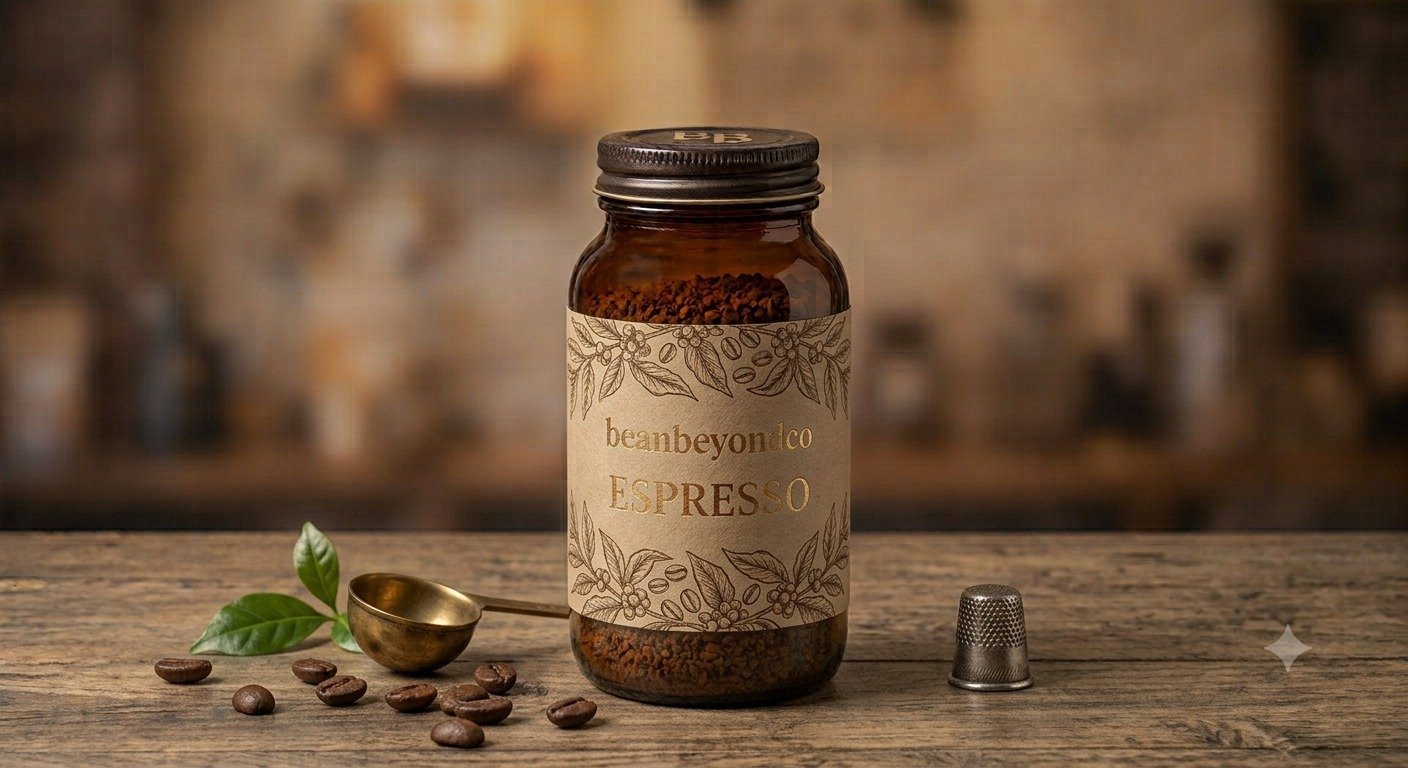
    1. Dissolve 2 teaspoons of Ground Espresso Instant Coffee Powder in 40 ml of hot water.
    2. Let it cool for one minute so the protein does not clump.
    3. Add 200 ml of chilled milk or a ready protein shake (about 20 g protein).
    4. Shake in a jar with ice for 15 seconds.
    5. Top with a pinch of cinnamon and serve.

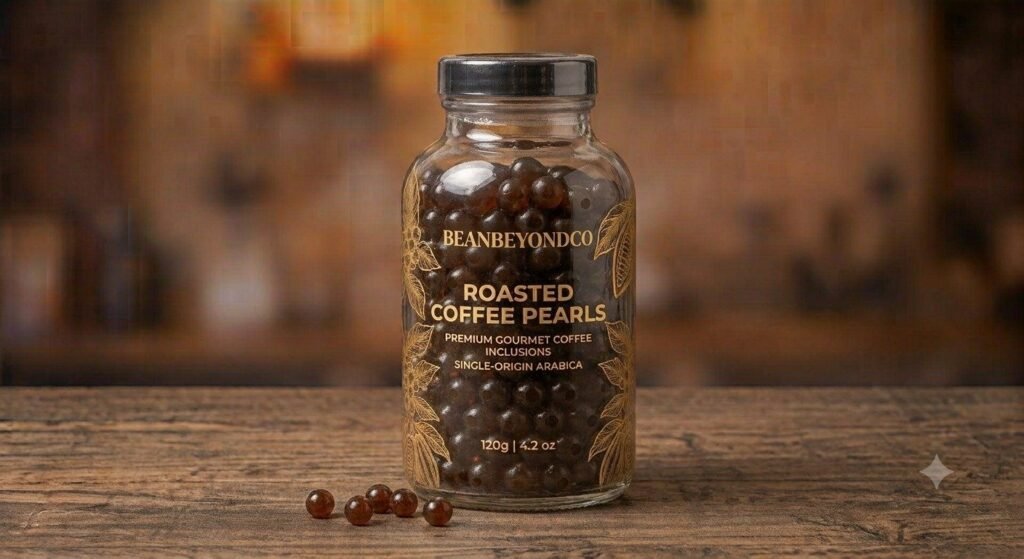
    Want it chewy and fun? Drop in a spoon of Roasted Coffee Pearls for little bursts of espresso.

    Best instant coffee in India add-on: Bean & Beyond Co. roasted coffee pearls in a glass jar on a wooden table

    How to pick the best instant coffee in India

    Functional add-ons are only as good as the base they sit on. A thin, bitter powder will taste worse once mushroom or protein joins it. Before buying, check four things:

    What to checkWhy it mattersWhat to look for
    Bean typeSets flavour and caffeine100% Arabica, or a labelled blend
    ProcessFreeze-dried keeps more aroma“Freeze-dried” or “micro-ground”
    IngredientsFillers dull the tasteOne ingredient only, no chicory unless you want it
    PackagingAir and moisture kill freshnessGlass jar or resealable pouch

    This is also how we judge the best coffee powder in India: one honest ingredient, fresh packing and a cup that tastes good black before anything is added.

    Your functional mug checklist

    • ☐ Start with a clean, single-ingredient base
    • ☐ Add one new ingredient at a time for a week
    • ☐ Note energy, digestion and sleep each day
    • ☐ Keep total caffeine under 400 mg a day

    FAQs

    Is mushroom coffee healthy? It can be part of a healthy routine, but research on Lion’s Mane and Reishi is still early. Treat any benefit as a bonus, not a promise.

    Can I add protein to a hot drink? Yes, but let it cool slightly or use collagen, which dissolves easily. Whey can clump above about 70°C.

    Which is the best coffee powder in India for functional mixes? A freeze-dried or micro-ground Arabica powder with no fillers. It blends smoothly and keeps its flavour under milk and protein.

    Does instant powder lose its benefits? Instant keeps most of its antioxidants and caffeine. It loses some aroma, which is why freshness matters.

    Build your morning on the best instant coffee in India

    Start with a base that tastes great on its own. Explore our Instant Coffee & Concentrates range and make tomorrow’s mug work harder for you.

  • Anaerobic & Wild Ferments: Types of Coffee Beans and Processing, Explained

    Anaerobic & Wild Ferments: Types of Coffee Beans and Processing, Explained

    Two bags from the same estate can taste nothing alike. The reason is rarely the plant alone; it is how the cherry was handled after picking. This guide explains the types of coffee beans and the new wave of processing, from washed to anaerobic, so you can read any label with confidence.

    Jump to: Bean types · Processing 101 · Anaerobic ferments · Taste chart · Indian lots · FAQs

    What are the types of coffee beans?

    Two species fill almost every cup on earth: Arabica (Coffea arabica) and Robusta (Coffea canephora). Arabica grows higher, ripens slowly and tastes sweeter and brighter. Robusta grows lower, carries about twice the caffeine and brings body, cocoa and crema.

    ArabicaRobusta
    Altitude in India1,000–1,500 m500–1,000 m
    Caffeine (by weight)about 1.2–1.5%about 2.2–2.7%
    TasteFruit, florals, bright acidityCocoa, malt, heavy body
    Best forPour-over, AeroPressEspresso, filter blends
    TryChikmagalur ArabicaWayanad Robusta

    India grows both under a canopy of shade trees, beside pepper vines and cardamom. That shade is why many of the best coffee beans in India taste gently spiced and low in bitterness.

    Processing 101: types of coffee beans from cherry to green bean

    Every coffee bean is the seed of a red fruit. Before roasting, farmers must strip that fruit away and dry the seed. How they do it shapes flavour as much as soil or altitude.

    • Washed: fruit pulped off, seeds soaked briefly in water tanks, then dried. Clean, crisp, tea-like.
    • Natural: whole cherries dry in the sun for three to four weeks. Jammy, winey, sweet.
    • Honey: some sticky fruit stays on during drying. Rounded sweetness, softer acidity.
    • Monsooned: a uniquely Indian method. Beans rest in open warehouses on the Malabar coast through the monsoon winds, turning pale, mellow and earthy.

    Anaerobic and wild ferments: what changes

    Anaerobic processing seals cherries in steel tanks with no oxygen for 48 to 120 hours. Pressure builds, microbes behave differently, and the seeds absorb intense, fruit-forward flavours. Producers track pH, temperature and time the way winemakers do.

    Wild and co-ferments go further. Some farms add selected yeast strains, cinnamon or tropical fruit to the tank. The cup can taste of rum, passion fruit or mulled wine.

    Pointer: Look for “anaerobic”, “carbonic maceration” or “co-ferment” on the bag. Those words promise a lot that tastes nothing like your everyday coffee.

    Taste chart: how each process changes the cup

    ProcessFermentation or drying timeSweetnessAcidityTypical notes
    Washed12–36 hours in waterMediumHighCitrus, jasmine, black tea
    Honey2–3 weeks dryingHighMediumBrown sugar, apricot
    Natural3–4 weeks dryingHighMediumBerries, grape, cocoa
    Anaerobic48–120 hours sealedVery highMedium-highWine, tropical fruit, spice
    Monsooned12–16 weeks of monsoon airLowVery lowEarth, wood, spice

    Which Indian lots to try first

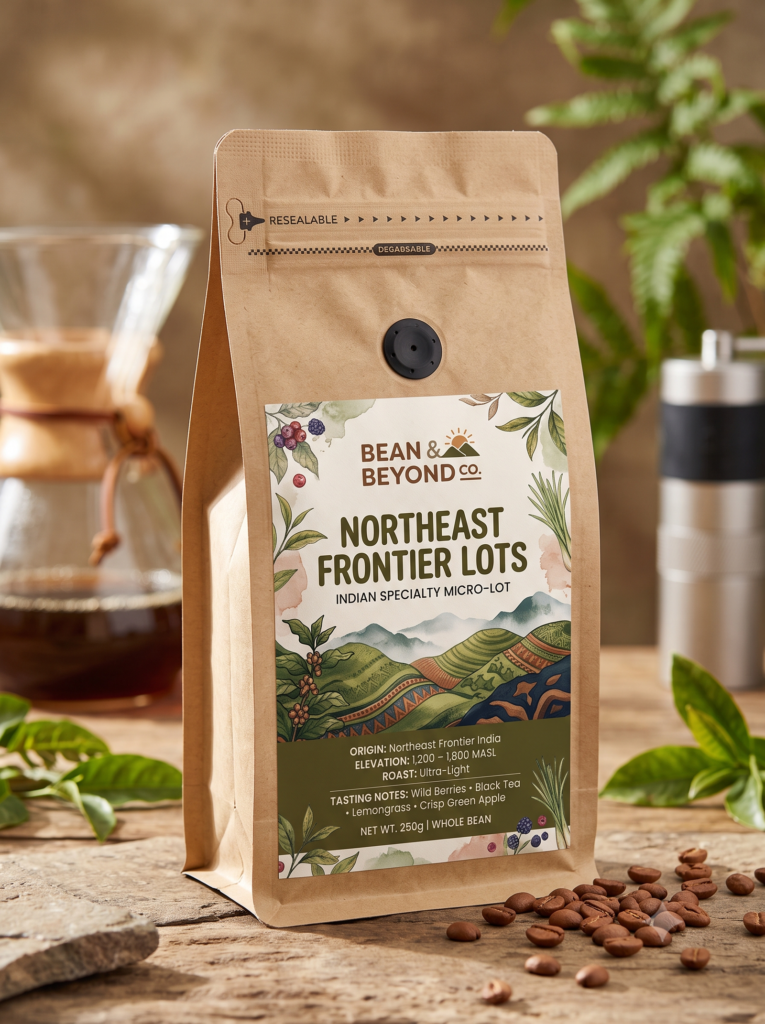
    Types of coffee beans: Northeast Frontier Lots micro-lot pouch with coffee leaves and roasted beans

    Your home tasting checklist

    • ☐ Brew two processes side by side at the same 1:16 ratio
    • ☐ Taste each once hot and once at room temperature
    • ☐ Score sweetness, acidity and body out of 5
    • ☐ Order a 250 g bag of your favourite coffee

    FAQs

    Are fermented beans safe to drink? Yes. Every process involves some fermentation; anaerobic simply controls it more tightly, and roasting at over 200°C finishes the job.

    Does anaerobic processing add caffeine? No. Caffeine depends on species and variety, not on the process.

    What are the main types of coffee beans grown in India? Arabica and Robusta. Karnataka, Kerala and Tamil Nadu grow most of the crop, with smaller specialty lots from Andhra Pradesh, Odisha and the Northeast.

    How should I brew experimental lots? Use pour-over or AeroPress with water at 90–94°C. Gentle methods let the fruit show.

    Taste the types of coffee beans for yourself

    Ready to explore beyond the usual? Start with our Bright & Fruity collection or browse every single-origin coffee bean we roast fresh. Your next favourite cup is one bag away.